Bow removals in Bow for home and business moves

Bow removals should feel organised, careful and straightforward from the first enquiry through to the final item being set down in its new place. Our moving service in Bow covers practical help for homes and businesses, with support for loading, transport, unloading and sensible handling of furniture and boxed belongings. The aim is to make the day easier to manage while keeping the work clear and focused on what actually needs moving.
We offer removal services for customers who want one point of contact for a planned move, whether that means a flat, a house, or a workplace with desks and equipment. Some moves need a simple vehicle and two people; others need more time for access, protection and careful handling. The service can be shaped around the size of the load, the route, and the type of items involved.
If you are comparing options, it is sensible to look at how the job will be carried out rather than only the headline description. Pricing and quotes help set expectations before the move, while the rest of this page explains the main kinds of work we support. If the service sounds right for your plans, you can request a quotation in plain English and move forward at a pace that suits you.
House moves arranged around your property and access

House removals often involve more than simply lifting boxes into a vehicle. We help with the routine tasks that keep the day orderly: carrying furniture, moving packed cartons, protecting items where needed, and loading in a way that makes unloading easier at the other end. For larger household moves, the work may also include careful sequencing so that heavier items do not block the smaller ones.
The most useful decisions are usually about access and handling. Stairs, narrow halls, limited parking and awkward item shapes can all affect how a move is approached. Home moves are generally easier to plan when the belongings are grouped in a sensible order, and when any fragile or bulky pieces are identified early. That helps create a move plan that matches the property rather than forcing a one-size-fits-all approach.
For customers who are moving from a family house, a converted property or a flat with shared access, the practical aim is the same: keep the process controlled and avoid unnecessary strain on the items being moved. Clear labelling, safe lifting and good vehicle loading all matter. If you are unsure what level of help is needed, a short written request is usually enough to start a quotation. Contact us when you are ready to compare the options.
Flat and apartment moves with sensible carrying arrangements

Not every move needs the same approach, especially where the property sits above street level or includes tighter internal routes. Our house removals work can be adapted to flats and apartments as well as more traditional homes, with attention paid to carrying space, lift access, parking distance and item size. These details may affect how long loading takes and how the vehicle is positioned.
Furniture that is already dismantled, boxed belongings that are clearly marked, and smaller loose items grouped together are usually easier to manage. Where necessary, a move can be planned so that the most awkward objects are handled first, or kept separate from the lighter loads. That approach can help reduce confusion when several rooms are being cleared at once and each part of the property contains different types of belongings.
Useful practical details include the number of floors, whether a lift is available, and whether there are shared corridors or time restrictions for parking. These points help shape an accurate quotation and reduce surprises on the day. If you need a move arranged around a tight schedule, give the key facts up front and ask for a quotation that reflects the full scope of the job.
Office removals and commercial moving support
Business moves need planning that respects working time, equipment and access to the premises. We provide office removals for workplaces that need desks, chairs, files, stock or technology moved with care. The practical tasks can include dismantling simple furniture, loading items in order, and separating what should be placed in the same area after arrival. The process is usually easier when departments or rooms are treated as distinct groups.
Some commercial customers also need a broader relocation plan rather than just transport. Commercial moves may involve moving stock rooms, back-office storage or mixed-use workspaces, and the sequence matters because business items are often needed in a particular order. Keeping essential equipment accessible can make reopening or resuming work less disruptive. The job is therefore best approached as a structured move rather than a simple lift-and-carry exercise.
For offices, small studios and other workplaces, the most useful preparation is an accurate list of what needs to go and where it is going. If certain items must stay upright or travel separately, note that clearly. Workstation parts, filing and fragile electronics often benefit from different handling. When you ask for a quotation, include enough detail for the scope to be understood without creating unnecessary complexity.
Packing, unpacking and preparation
Packing support can make a move easier to control, especially where the load contains many small items or a mixture of fragile and sturdy belongings. Our packing and unpacking services can support customers who want help preparing items for transit and settling them afterwards. This can be useful when there is limited time before move day, or when you want to reduce the amount of sorting needed after arrival.
Practical packing is not only about boxes. It is also about choosing materials that suit the object, placing heavier items at the bottom where appropriate, and keeping sets together so they are easier to reassemble later. For some customers, unpacking support is just as valuable because it helps turn the new space into something usable more quickly and reduces the chance of misplaced essentials.
When planning this kind of support, it is worth deciding in advance which rooms need the most attention and which items should remain separate from the general load. Good labelling, simple grouping and clear priorities make the moving day easier to manage. If you want packing included in your move, mention it when requesting a quotation so the work can be priced and arranged properly.
Vehicle choices for different loads and access needs

Different moves can benefit from different vehicle types, and the right choice depends on load size, item shape and parking conditions. Our moving van and removal van options are suitable where the load is compact or where access makes a smaller vehicle more practical. A larger load may need more capacity, fewer trips or a different loading plan, depending on the volume involved.
Some customers know they do not need a full house move service but do need help with transport, lifting and safe loading. In those cases, man and van style removals can be a sensible fit. The service is still about proper handling rather than speed alone, and it works best when the items have been listed accurately so the right vehicle and support can be arranged.
If your move includes only a few furniture items, or a mix of belongings that can be carried efficiently, a smaller vehicle may be the best match. The main decision is whether everything can be loaded safely without overfilling the space or leaving fragile items at risk. For that reason, it helps to describe the largest pieces as well as the number of boxes before asking for a quotation.
Furniture pick-up and one-off item transport
Sometimes the need is not a full move but the collection of a single item or a small group of pieces. Our furniture pick-up service is suited to those situations where an item needs to be collected, carried and delivered with attention to handling. That might include bulky furniture, replacement items, or pieces that are awkward to move without suitable support.
One-off transport is often easiest when the item dimensions are known and any access issues are mentioned in advance. Doors, stair width and turning space can affect how an item is moved, especially if it cannot be dismantled. The aim is to match the carrying method to the object itself, keeping the route as straightforward as possible and avoiding unnecessary contact with walls or fittings.
If you only need a single item moving, it is still sensible to treat the job carefully. Measure first, describe clearly and note any fragile surfaces so the arrangement suits the item rather than the other way round. A concise enquiry is usually enough to request a quotation and decide whether collection, delivery or both are required.
How moving day is planned and what affects the work

A well-planned move usually starts with the main facts: the type of property, the amount to be moved, the access at both ends and any pieces that need special handling. Those details help determine whether the work is best approached as a house move, an office relocation or a smaller transport job. They also help with vehicle choice, labour requirements and the likely sequence for loading and unloading.
Some jobs are straightforward, while others involve extra care because of stairs, limited parking, long carrying distances or mixed contents. Removal services can cover these different patterns of work, but each move still benefits from a clear picture of the rooms, furniture and boxes involved. Where items are fragile or unusually heavy, it is helpful to identify them before the day arrives so the move can be organised sensibly.
Useful information for a quotation usually includes a room count, a short inventory of larger items and any timing considerations. You do not need to over-explain, but the more accurately the move is described, the easier it is to estimate the work. Short details are often enough when they are specific. If you are ready to compare costs, request a quotation and include the basics in one message.
Careful handling for larger and heavier belongings
Some removals are straightforward because the items are light and easy to stack, but heavier pieces need a different level of attention. Bed frames, wardrobes, tables, cabinets and similar furniture often require a sensible route from the property to the vehicle and back again. We plan these jobs so that lifting is controlled, the load is balanced and the most awkward objects are not left until last.
Where it is practical, dismantling can make transport easier, especially for large items that would otherwise be difficult to carry through doors or around corners. Reassembly is not always necessary, but it can be useful when the receiving property has limited space or when the furniture needs to fit into a particular room. The important point is to decide in advance what should travel assembled and what should be separated.
When customers provide a list of the largest belongings, we can consider how to arrange them with the rest of the load and whether a second person, additional time or a different approach would be appropriate. Heavy items deserve a careful plan, not guesswork. If you are unsure how to describe them, a brief written list is enough to begin a quotation request.
About Bow
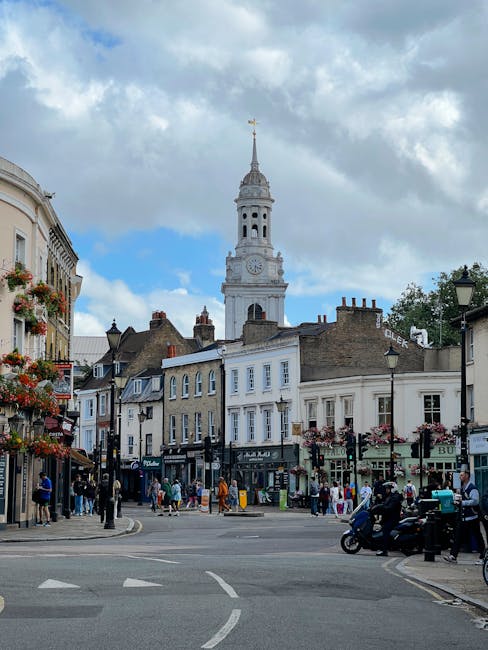
Bow is a district in the London Borough of Tower Hamlets in East London, closely associated with the Lea Valley and the older routes that linked the City with the east of the capital. The area takes its name from a bowed bridge, a reference that appears in historical forms of the name and reflects its long connection with transport corridors. Bow developed from a rural settlement into a much more urban part of London during the nineteenth century, shaped by railways, industry and new housing. The district sits near several recognised landmarks and neighbourhoods, including Bow Road, Bow Church and the approaches toward Stratford and the Isle of Dogs. The area is also linked to the Limehouse Cut, the River Lea and the wider network of waterways and canals that influenced trade and movement across East London. Historic parish and civic changes have left Bow with a layered local identity rather than a single uniform centre. Streets and buildings reflect different periods, from older terraces and church sites to later estates and commercial frontages. Public transport, main roads and nearby green spaces continue to define how people experience the district, while the surrounding borough gives Bow a place within a larger and varied urban landscape.
Get a quotation for your move
Whether you are planning a house move, an office relocation or a smaller furniture collection, the next step is to set out the basics and ask for a quotation. A clear description of the property, access, larger items and any packing support needed will make it easier to match the service to the job. We keep the focus on the move itself, so you can compare the options with less uncertainty.
The most useful enquiries are usually concise, direct and specific. Include what is moving, where it is moving from and to, and anything that needs special care. If your move involves mixed items, mention the heavy pieces first and the smaller belongings afterwards. That allows the work to be considered in a practical order and helps avoid missing anything important.
For a straightforward start, you can request a quotation and share the details that matter most. If you would like to review how the work is priced before sending your message, you can also look at the information on pricing and quotes. When you are ready, send the basics and we will take it from there.